




Its all Insurance
How to Know if Scratch and Dent Insurance is for You

 5 min read
Its all Insurance
 September 16, 2026 By Budget Insurance
Most car buyers budget for the purchase price and stop there. But the sticker price is only the entry fee. The real cost of owning a car in South Africa shows up every month after that, in fuel, services, tyres, licensing, finance and, importantly, insurance. Understanding the full picture upfront is the difference between a car that fits your budget and one that quietly stretches it.
Cost of ownership is every rand a vehicle costs you from the day you drive it off the forecourt to the day you sell or trade it in. For most South African drivers, that includes:
Fuel - your biggest recurring cost, driven by engine size, driving style and how much you commute
Services and maintenance - scheduled services, brake pads, filters and the unscheduled repairs that come with an ageing car
Tyres - a full replacement set is a cost most new car owners underestimate
Licence renewal and roadworthy costs - small annually, but non-negotiable
Finance charges - the interest on a car loan, if you didn't buy in cash
Depreciation - the value your car loses simply by existing, fastest in year one
Insurance - the cost of transferring your financial risk if the car is stolen, written off or damaged
Insurance is often the line item new car owners try to cut first, usually because it's billed monthly and feels like the most "optional" cost on the list. In practice, it's the one cost on this list designed to protect every other cost you've already paid - the deposit, the finance, the services, all of it.
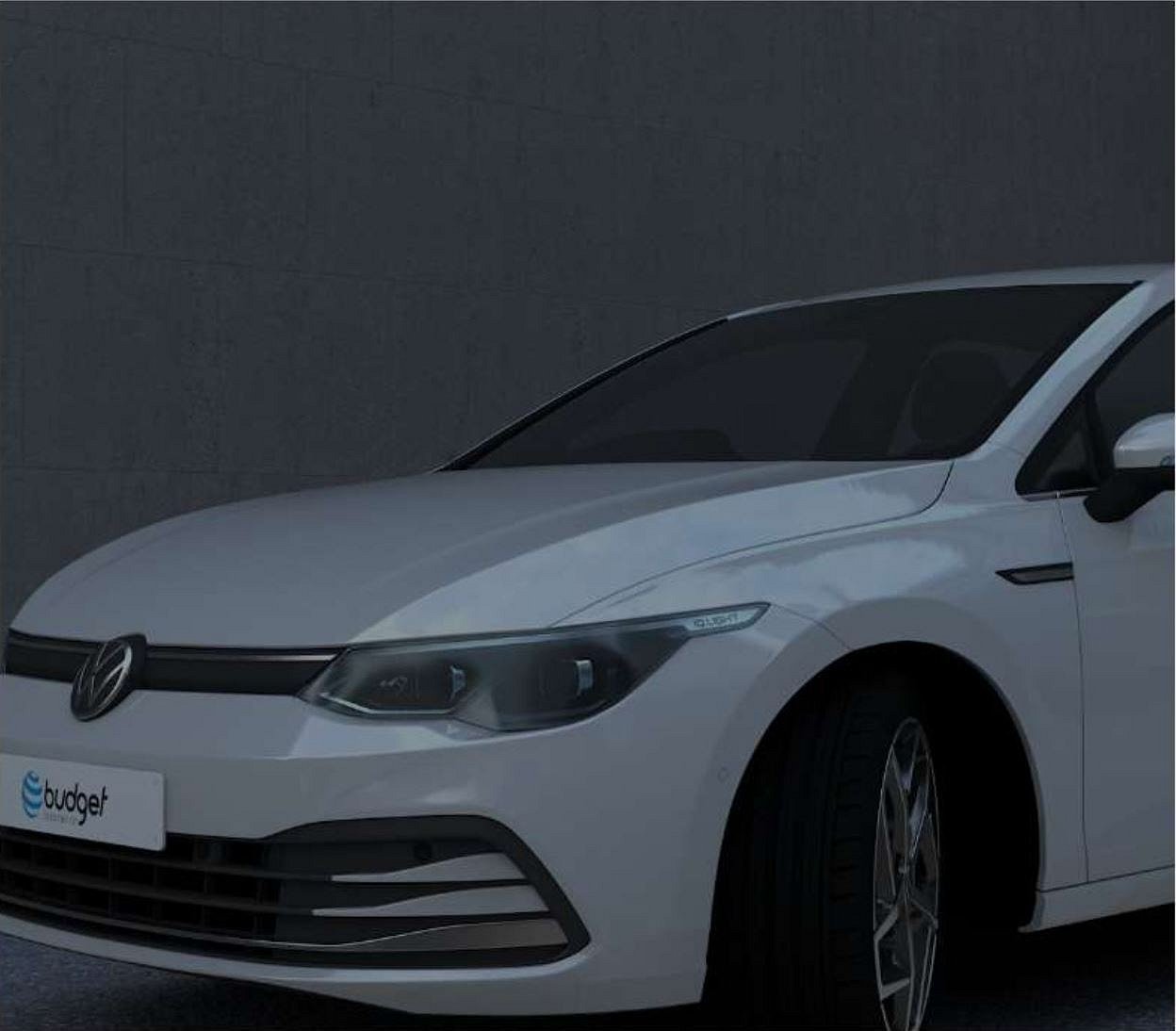
Every car and driver profile is different, but a realistic monthly breakdown for a popular mid-range hatchback (financed, average commuter mileage) looks something like this:
Fuel: R2,200 – R3,000, depending on commute distance and fuel price movements
Service & maintenance provision: R600 – R900 (averaged monthly, based on typical service intervals)
Licence & admin (averaged monthly): R150 – R250
Finance instalment: varies by deposit, term and interest rate
Comprehensive car insurance: varies by vehicle value, driver profile and cover level - get a personalised quote in minutes
Seeing these costs side by side is usually the moment it becomes clear: insurance is rarely the largest line item, but it's the only one that stands between a single incident and a bill for the full replacement value of the car.
Insurance isn't an add-on to the cost of ownership. It's the mechanism that caps your downside risk. Without it, a single accident, hijacking or hailstorm converts every other cost you've paid into a total loss. With the right cover, your maximum exposure in a bad month is your excess, not the full value of the car.
Comprehensive vs. third-party cover. Comprehensive car insurance protects your own vehicle as well as damage you cause to others; third-party only covers the other party
Right-sizing your cover to your vehicle's actual value and your own risk profile, rather than defaulting to the most expensive package
A quick, obligation-free quote is the easiest way to see where your specific vehicle and profile land before you commit to a monthly figure.
A newer car generally costs less to insure against mechanical failure (it's covered by warranty) but more to insure against theft and write-off, because its market value is higher.
A used car flips that: lower insurance premiums and purchase price, but a higher chance of maintenance costs appearing sooner.
If you're shopping around, including on marketplaces like Cars.co.za or with dealer groups like WeeLee, it's worth getting an insurance estimate for your shortlisted vehicles before you buy, not after. It can meaningfully change which car actually works out cheaper to own.
Get quotes annually, not just when you first buy. Your risk profile (and the market) changes every year
Bundle your car and home contents cover where possible for a combined-policy saving plan
Stick to your service plan. Small, scheduled costs prevent large, unscheduled ones
Rotate and maintain tyres properly. Uneven wear shortens the tyre’s lifespan significantly
Review your excess structure. A slightly higher voluntary excess can lower your monthly premium if you have savings to absorb it
It's the total of every cost associated with running a vehicle - fuel, services, tyres, licensing, finance and insurance - not just the purchase price. For an average financed hatchback, ongoing monthly costs (excluding the instalment) typically fall between R3,000 and R4,500, depending on the vehicle and driver profile.
Yes. Insurance is one of the standard ongoing costs of owning a car, alongside fuel, maintenance and licensing. Unlike those costs, it's the one that protects you from the full replacement cost of the vehicle if something goes wrong.
As a guide, budget 15–20% of the car's purchase price per year for running costs (fuel, maintenance, tyres, licensing and insurance combined), on top of any finance instalment. Get a personalised car insurance quote to pin down the exact figure for your vehicle.
No. Premiums are calculated as a small percentage of the vehicle's insured value, not a flat fee. Comprehensive cover typically costs a fraction of the car's value each year, in exchange for protection against its full replacement cost.
Get a car insurance quote in under 2 minutes and see exactly where insurance fits in your monthly budget.
 5 min read